Advancing Taiwan Tourism Quality and Volume to Drive a Trillion-NT Dollar Industry
Overall policy implementation focused on four major areas. In attracting visitors from around the world, Taiwan welcomed more than 8.574 million international visitors during the year and deepened its marketing efforts by establishing additional overseas offices and appointing tourism ambassadors in multiple countries. For domestic tourism, the Taiwan Tourism 100 Spotlights initiative was announced to connect local resources, promote themed travel, and support industry transformation. Cross-sector integration focused on improving scenic area infrastructure and accessible environments, with several destinations receiving international green tourism sustainability certifications. At the same time, big data, AI, and other innovative technologies were widely introduced to create smart scenic areas, enhance operational efficiency, and drive digital upgrading across the industry.

Attracting Global Visitors through Tourism Branding
International marketing results
In 2025, Taiwan welcomed more than 8.574 million visitors, an increase of 9.1% compared with 2024. The tourism market continued to grow steadily, and efforts will continue to attract more visitors to Taiwan.
Expanding international promotional offices
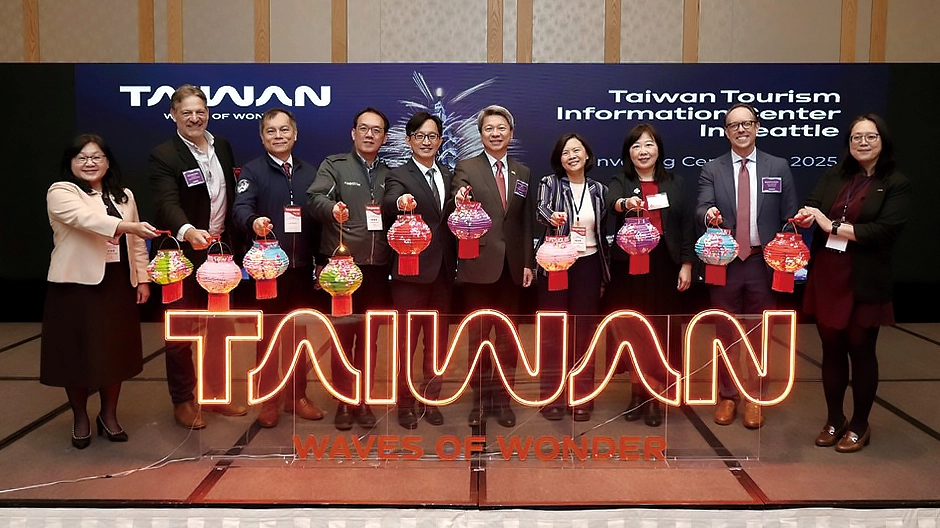
In 2025, three Taiwan Tourism Information Centers (TTICs) were established in Amsterdam (the Netherlands), Seattle (USA), and Sydney (Australia), strengthening the service capacity of Taiwan's global network.
Flexibly deploying the new tourism brand
Taiwan promoted its tourism brand more widely through travel fairs, large-scale promotional events, cross-industry alliances, promotional briefings, advertising campaigns, digital marketing, and invited visits by KOLs.
Appointing Taiwan tourism ambassadors for individual markets
New annual tourism ambassadors were appointed for the Japanese, Korean, Malaysian (Muslim), Indonesian, and Thai markets, generating discussion and interest in Taiwan tourism.
Promoting the Inbound Tourism Revitalization Plan
Expanding visitor attraction: Incentive travel to Taiwan by overseas enterprises continued to be promoted in 2025. A total of 92 groups, representing approximately 11,783 visitors, applied under related program. In coordination with airlines' expansion of flights between Taiwan and various markets, efforts were strengthened to attract visitors from key markets. On March 5, 2025, the Taiwan-Italy Air Services Agreement was signed, expanding passenger capacity and destinations between Taiwan and Europe.
Expanding marketing: Promotion of the "Accelerating the Attraction of International Visitors Program" was strengthened. The lucky draw offering spending incentives to independent travelers visiting Taiwan attracted more than 6.53 million registrations, while more than 57,000 group tour subsidy applications were submitted, involving over one million group travelers.
Expanding cooperation: The Executive Yuan Tourism Industry Revitalization Advisory Council was established, convened by the Vice Premier, with a Minister without Portfolio and the Minister of Transportation and Communications serving as deputy conveners. The council held four meetings in 2025 to strengthen communication with industry operators and coordinate interministerial tourism affairs.


Island-wide Spotlights Driving Domestic Tourism
Refining and upgrading major events
Large-scale tourism events were promoted for transformation and upgrading. A total of 109 tourism events were selected for inclusion in the 2026–2027 Taiwan Tourism Biennial Calendar, including 36 international-level events and 73 national-level events.
Promoting Taiwan's tourism spotlights
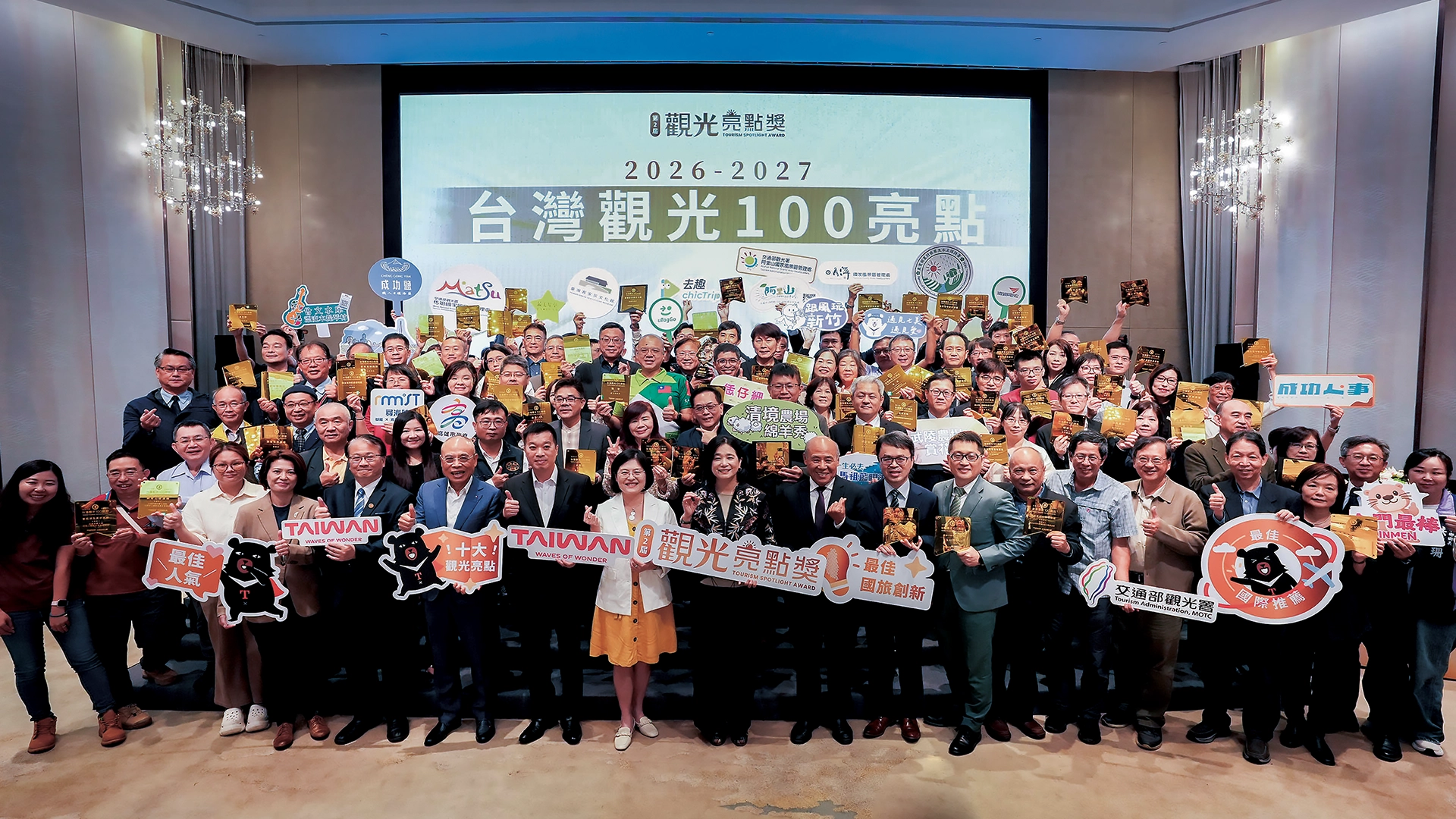
The second Tourism Spotlight Awards were held, with 32 awards presented, including the Top 10 Tourism Spotlights. The 2026–2027 Taiwan Tourism 100 Spotlights were also announced, linking central, local, and private-sector tourism resources, integrating themed travel, and packaging distinctive local travel products.
Promoting diverse themed travel
The Taiwan Cycling Festival continued to be held to promote bicycle tourism. The Tourism Administration also partnered with the Council of Indigenous Peoples on tribal tourism, holding the 2025 Taiwan Indigenous Tourism Festival from September 26 to 28, 2025, to showcase the results of indigenous tourism promotion. In 2025, 69 itineraries were authorized to use the Golden Years Tour trademark, offering travel options for senior travelers.
Providing convenient and preferential travel services
As of the end of December 2025, the Taiwan Tourist Shuttle carried approximately 6.76 million passengers, up 19.79% from the same period in 2024. The Taiwan Tour Bus served more than 366,000 passengers in 2025, up 217.5% year-over-year (YoY). A total of 8,445 TaiwanPASS packages were sold in 2025, bringing cumulative sales since 2024 to 33,166 packages.

Supporting industry optimization and transformation
In 2025, guidance was provided to five travel agencies in applying for international sustainability-related certifications and labels. A total of 161 hotels obtained star hotel certification, 251 additional homestays received Taiwan Host certification, and 17 tourist amusement enterprises were assisted in promoting ESG, contributing to quality improvement and sustainable development.
Strengthening the quality and capacity of industry talent
Pre-service and in-service training for tour guides and tour managers was conducted, along with professional competency training for travel agency managers, training courses for mid- to senior-level managers and frontline personnel across various sectors, and training for mid- to senior-level personnel in the tourist amusement industry. These programs served a total of 10,185 participants.

Diversifying Travel through Cross-sector Integration
Optimizing national scenic area infrastructure and creating diverse, distinctive attractions
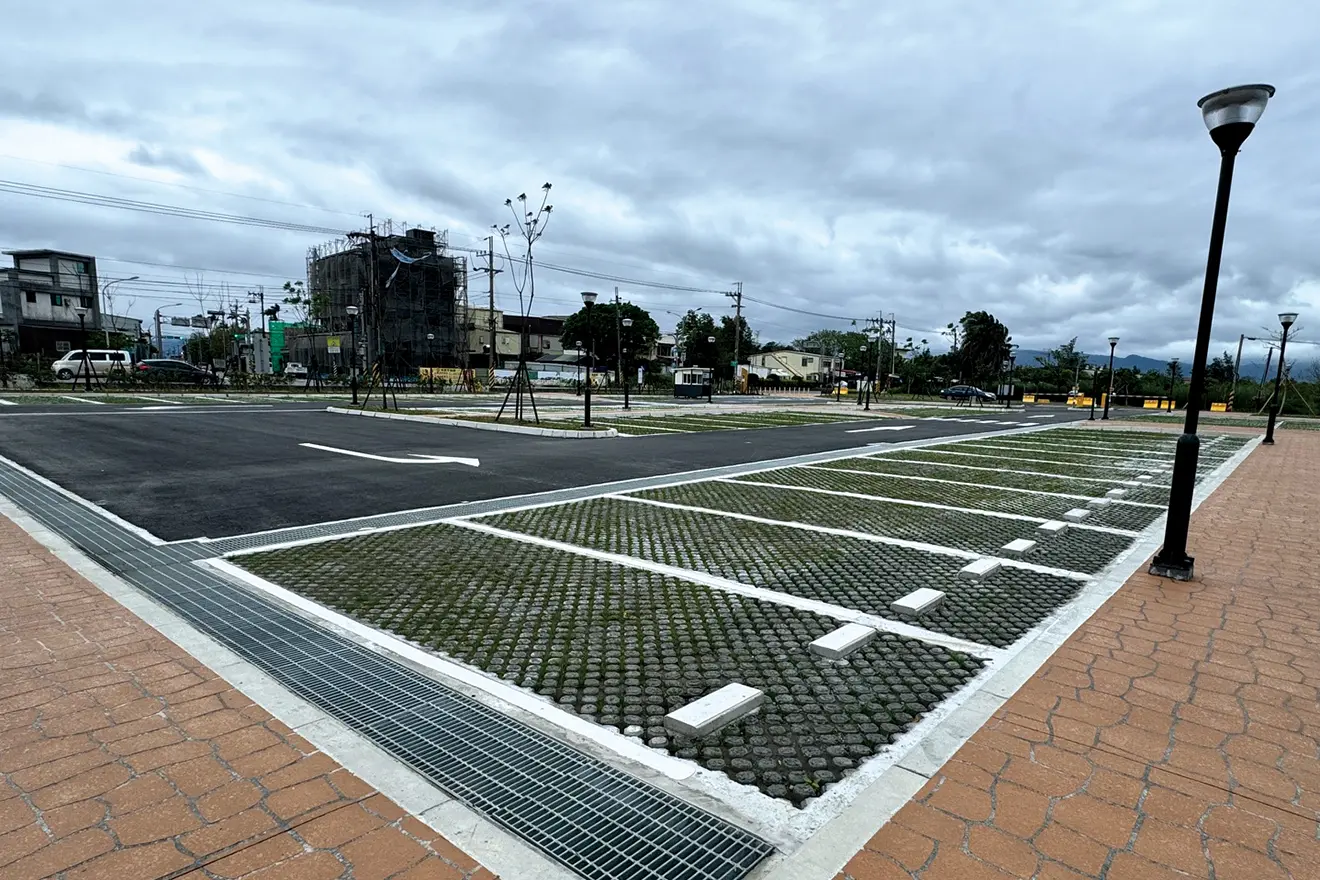
Implementation of the Tourism Forward-looking Infrastructure Program (2021–2025): Six national scenic areas, including the Northeast and Yilan Coast National Scenic Area and the Penghu National Scenic Area, were developed into internationally appealing destinations. A total of 24 highlight projects were completed, including the Ita Thao Zhongzheng Parking Lot and the renovation of service facilities at Aimen Beach.
Implementation of the Medium-term Program for the Construction of Major Tourist Attractions (2024–2027): Facility improvements were completed at 50 attractions, including the "Evergreen Bikeway Public Service Facility Optimization" project in the Tri-Mountain National Scenic Area and the "Zhuangwei Dune Ecological Park Peripheral Facility Optimization Project" under the Northeast and Yilan Coast National Scenic Area Headquarters.

Assisting local governments with tourism environment upgrades
The Forward-looking Regional Tourism Brand initiative was promoted, completing 32 spotlight projects, including the creation of the Roaming Mountain and Sea Line—Settlement, Railway, and Bicycle Light Travel Corridor and the Northern Cross-Island Highway Story—Jiaobanshan Tourism Site. The Key Scenic Area Recreation Corridor Program was also implemented, completing three area projects: the Dapu Blue Highway in Chiayi County, the Matsu Yaoshan Recreation Area in Lienchiang County, and "Reading the Hengchun Peninsula: Tracing the Stories of Langqiao" in Pingtung County.
Scenic area maintenance and management
National scenic areas receiving sustainability certification: Six national scenic area administrations received the 2025 Green Destinations Awards, while seven national scenic area administrations won the 2025 Green Destinations Top 100 Stories awards.
Universal travel environments in national scenic areas: A total of 170 universal and accessible tourist attractions have been established, and 41 recommended accessible itineraries have been completed to facilitate visits by seniors, persons with disabilities, and others with limited mobility.
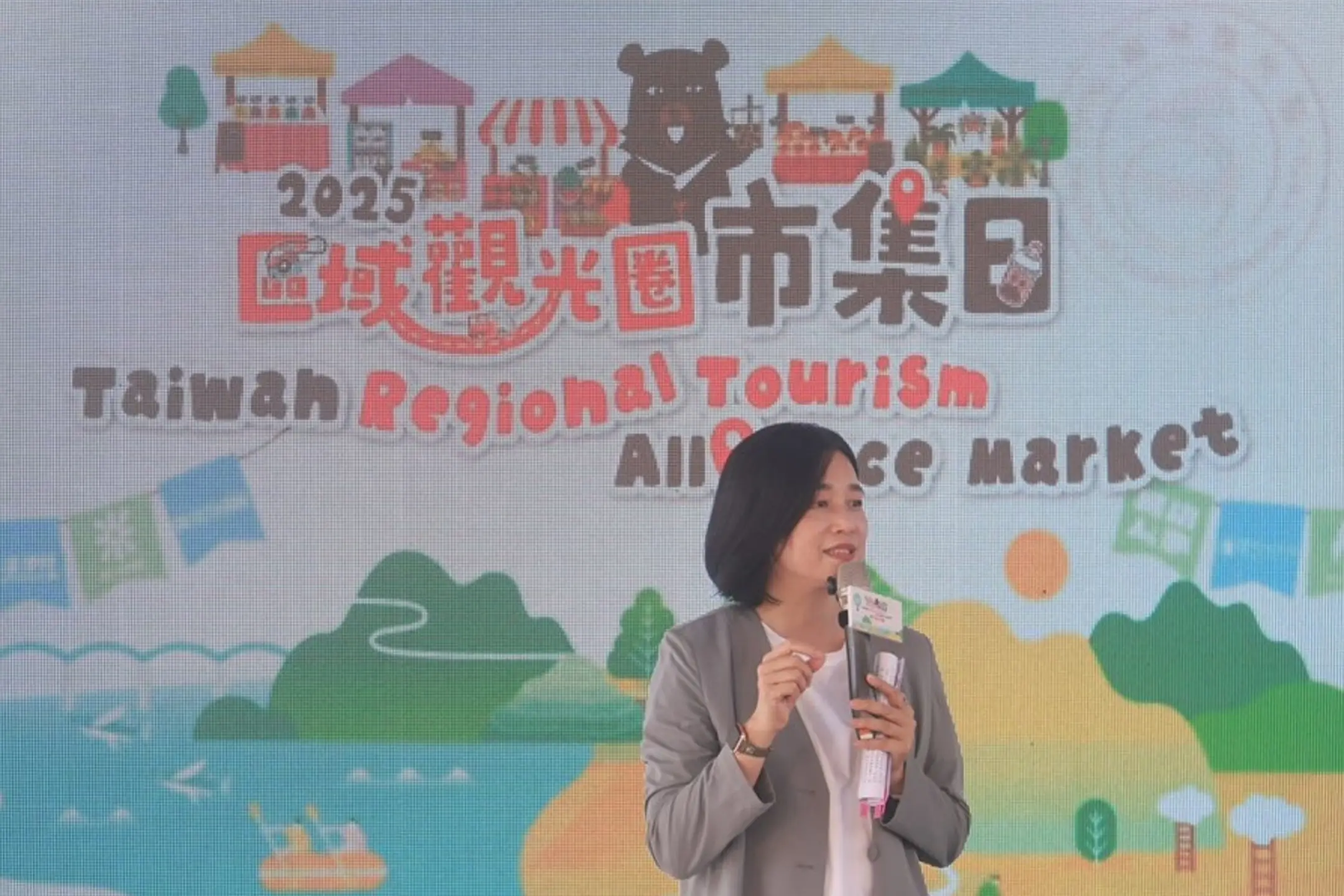
Promoting regional tourism circles: Through regional tourism circles, tourism resources were integrated and local consensus was strengthened. From October 17 to November 16, the Regional Tourism Market Days were held at Huashan 1914 Creative Park, bringing together local operators for joint marketing and promotion.

Upgrading the Value of Smart Scenic Areas
Introducing technology to create smart scenic areas
Strengthening smart management and data governance: Visitor-flow and vehicle-flow recognition systems and smart public restrooms were introduced at popular sites. Innovative technologies were also adopted according to the needs of each national scenic area administration to improve management efficiency and reduce operating costs. The Tourism Big Data Platform has imported and connected 28 internal and external data sources, 236 datasets, and more than 150 million data records, and has developed 286 operational statistical analysis services. The Integrated Tourism Management Platform was established to compile data from relevant internal and external databases for use in the subsequent operation and management of smart scenic areas.
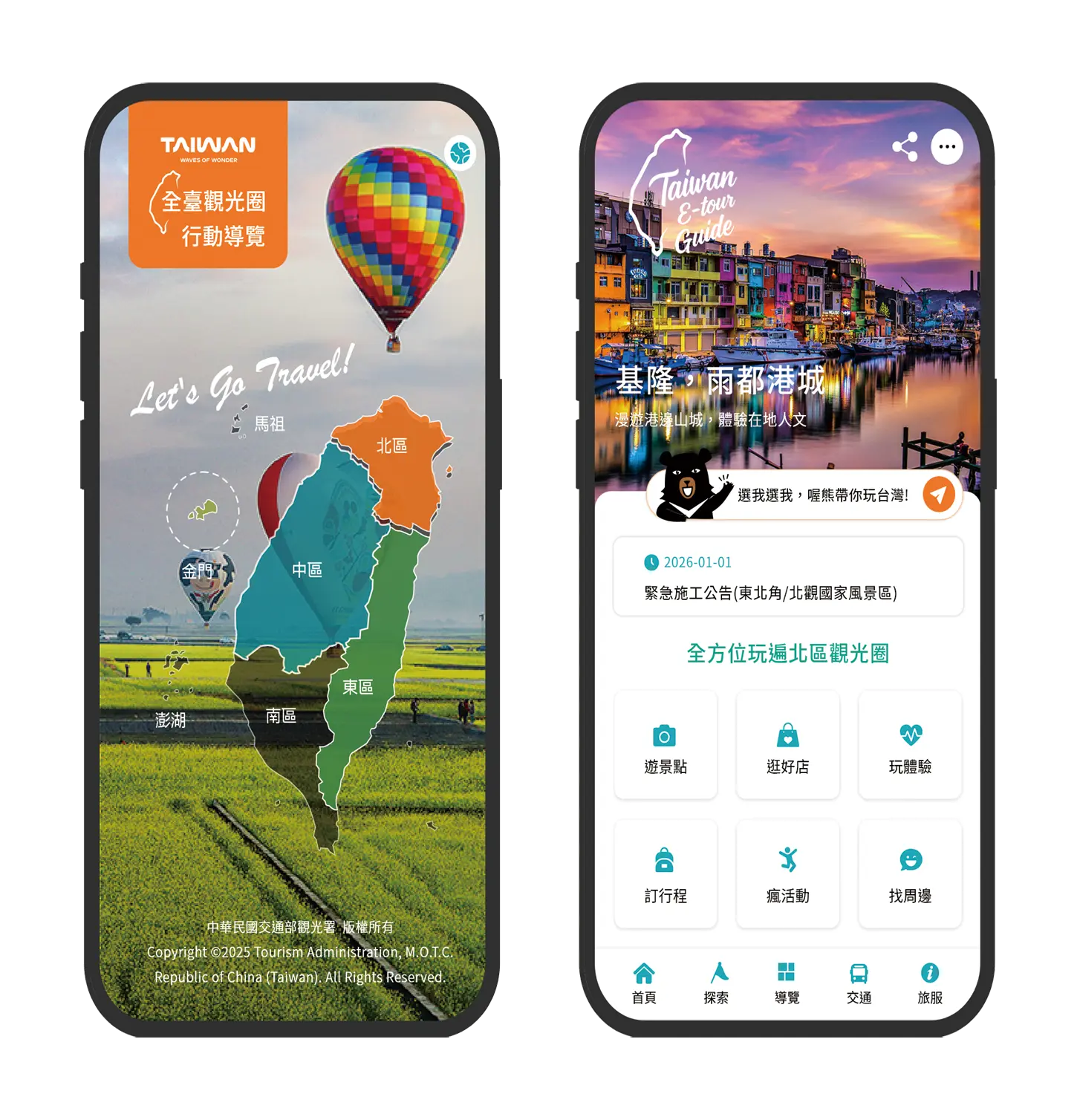
Optimizing smart services and technology-based marketing: AI Smart Counters were installed at international airports including Songshan, Taoyuan, Kaohsiung, and Taichung. In April, English and Japanese versions of the OhBear AI Assistant were launched to provide itinerary guidance services for international visitors. PWA mobile travel service modules were completed for the Northern Region, Eastern Region, and Kinmen tourism circles, using LBS technology to proactively push nearby information. Online, 70 social media accounts were managed in a coordinated manner, with the total number of followers on official Facebook, Instagram, and LINE accounts surpassing 1.75 million, effectively expanding the reach of policy communication. Offline, immersive technology applications such as digital twins and VR/AR were introduced in national scenic areas.
Expanding the scope of digital applications in the tourism industry
Two Digital Transformation Expos for the Tourism Industry were held, one in northern Taiwan and one in southern Taiwan, attracting a total of 16,774 participants. The Tourism Cup Open Data Hackathon was also organized, presenting innovative solutions to industry pain points and showcasing the results.