:::

Scenic Area Operations

Integrating Regions for Travel Diversity
:::

Implementing Scenic Area Development and Enhancing Sustainable Tourism Quality

Promoting Forward-Looking Tourism Infrastructure and Developing Six Attractions with International Appeal

Promoting Forward-Looking Tourism Infrastructure and Developing Six Attractions with International Appeal

The Forward-Looking Tourism Infrastructure Development Plan was implemented to develop the Northeast and Yilan Coast, North Coast and Guanyinshan, Sun Moon Lake, Alishan, East Coast, and Penghu National Scenic Area Headquarters into attractions with international appeal. Highlight projects completed in succession included the at-grade and bridge connection works for the Shuangwan Coastal Bikeway (Guzhuang Section), Yongzhen Hill Recreation Area Facility Development Project, improvement of the Fenqihu Forest Loop Trail, Phase II of the Green Island Nanliao Harbor Arrival Service Quality Enhancement Project, and the Zhongtun Bikeway Recreation Service Facility Renovation Project.

Through the Medium-term Program for the Construction of Major Tourist Attractions (2024–2027), the administration integrated resources across sectors, incorporated a variety of themes, and emphasized local characteristics. Fifty spotlight projects were completed in national scenic areas (NSAs), including the Fulong Area Peripheral Facility Optimization Project, the renovation of the multimedia room at the Guanyinshan Visitor Center, environmental enhancements at Dongfang Park on the Baguashan East Outer Ring, maintenance of facilities at the Checheng Wood Exhibition Hall and improvements to surrounding public restrooms and landscape facilities, and improvements to the viewing facilities at the Qimei Twin-Heart Stone Weir. These projects raised service standards at major NSA attractions, developed internationally appealing scenic-area sites, and attracted domestic and international visitors.

To support local governments in improving the quality of the tourism environment, the Tourism Administration promoted the Forward-Looking Regional Tourism Brand initiative and completed 32 highlight projects, including the development of the Roaming Mountain and Sea Line–Settlement, Railway, and Bicycle Light-Travel Corridor and the Northern Cross-Island Highway Story–Jiaobanshan Tourism Site. These efforts advanced the sustainable development of regional tourism. Subsidies were provided to local governments to implement the Key Scenic Area Recreation Corridor Program, which seeks to develop eight corridor highlights through competitive grants. In 2025, projects completed included the Dapu Blue Highway in Chiayi County, the Yaoshan Recreation Area in Matsu, Lienchiang County, and Reading the Hengchun Peninsula: Tracing the Stories of Langqiao in Pingtung County. These projects created tourism attractions with distinctive regional characteristics, created quality tourism environments, and advanced sustainable tourism development.
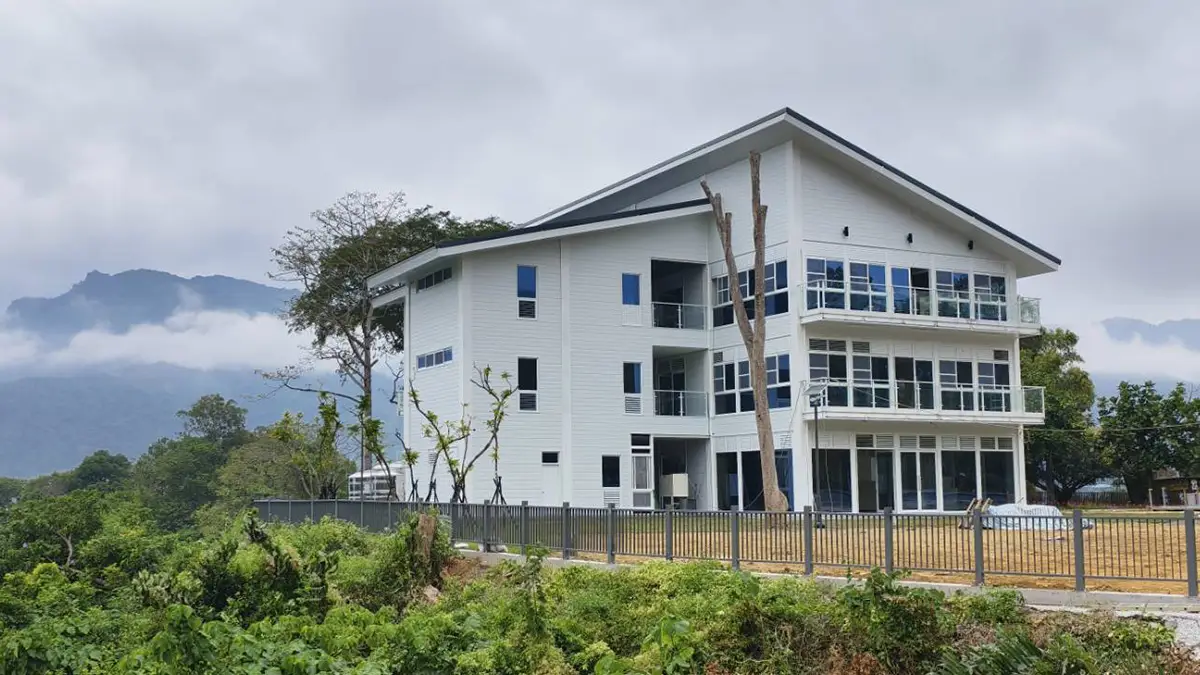
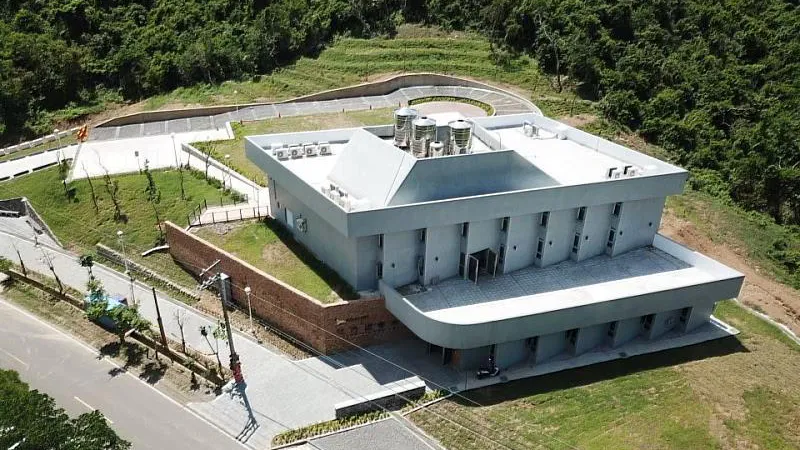
Key Scenic Area Recreation Corridors: Qin-Ying Hall on the Chiayi Dapu Blue Highway
Key Scenic Area Recreation Corridors: Mudan Visitor Center on the Hengchun Peninsula

Forward-Looking Development: Attractions with International Charm

North Coast and Guanyinshan National Scenic Area

North Coast and Guanyinshan National Scenic Area

The Shuangwan Bikeway (Guzhuang Section) At-grade and Bridge Connection Project received the 13th Taiwan Landscape Award in 2025. Using a low-impact design, the project completed a one-kilometer elevated section and bridge connection, closing a long-standing gap between Baishawan–Linshanbi and Qianshuiwan Seaside Park and completing the Crown Coast recreation corridor. The route integrates Provincial Highway 2, coastal paths, and native coastal species, balancing ecological conservation with green transportation and shaping a sustainable tourism corridor along the North Coast.
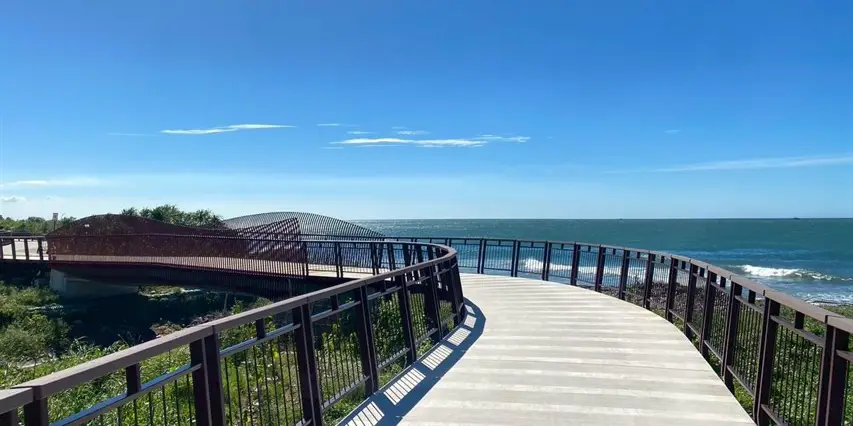
Shuangwan Coastal Bikeway (Guzhuang Section) At-grade and Bridge Connection Project
Northeast and Yilan Coast National Scenic Area

Northeast and Yilan Coast National Scenic Area

The Yongzhen Hill Recreation Area Facility Development Project (Yongzhen Coastal Station) is located on Yilan’s eastern coast, adjacent to Provincial Highway 2 and the Yilan Coastal Bikeway. To the north, it connects Toucheng Old Street, Wushi Harbor, and the Wai’ao Service Area. To the south, it extends to the Zhuangwei Dune Ecological Park and the National Center for Traditional Arts. The project is a new highlight in the Northeast and Yilan Coast recreation corridor, enhances the capacity for diversified theme tourism services, and promotes local tourism and industrial development.
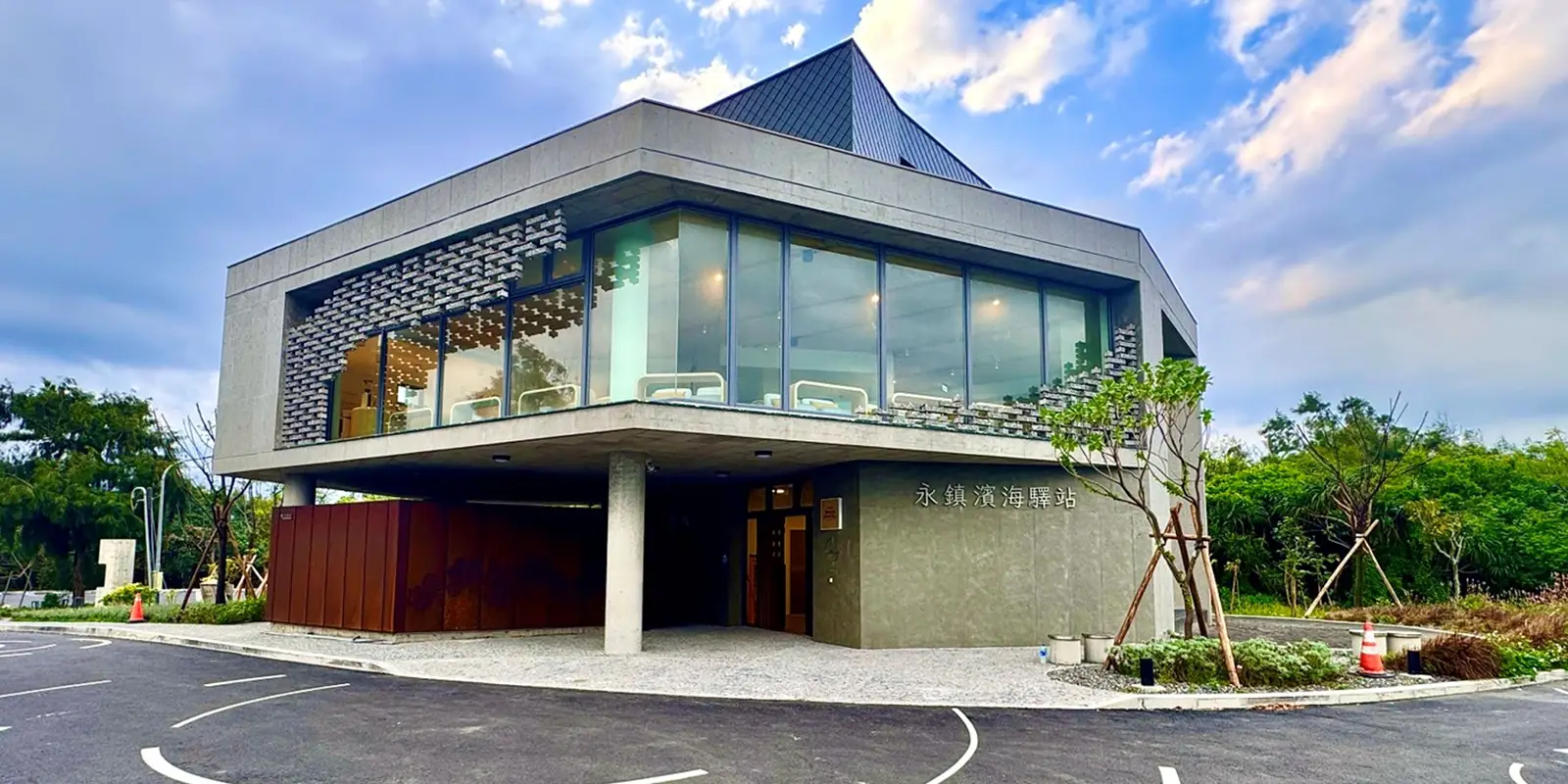
Yongzhen Hill Recreation Area Facility Development Project
Sun Moon Lake National Scenic Area

Sun Moon Lake National Scenic Area

The Sun Moon Lake 3.0: Pearl in the Mountains Project is centered on Sun Moon Lake and brings together three tourism branch routes–Puli, Xinyi, and Jiji-Shuili–and integrates several modes of transportation to improve the quality of recreation in the scenic area. Two highlights were completed under the project: the Puli Tourism Service Facilities, which received an Honorable Mention in the 2025 Nearly Zero-Carbon Building Design Awards for use of cross-laminated timber construction to store carbon in the building, serving as a tourism-service hub at the northern gateway; and the Ita Thao Zhongzheng Parking Lot, which increased parking capacity and introduced smart services. The lot's landscape-integrated design improves circulation efficiency and advances the scenic area’s sustainable-development goals.
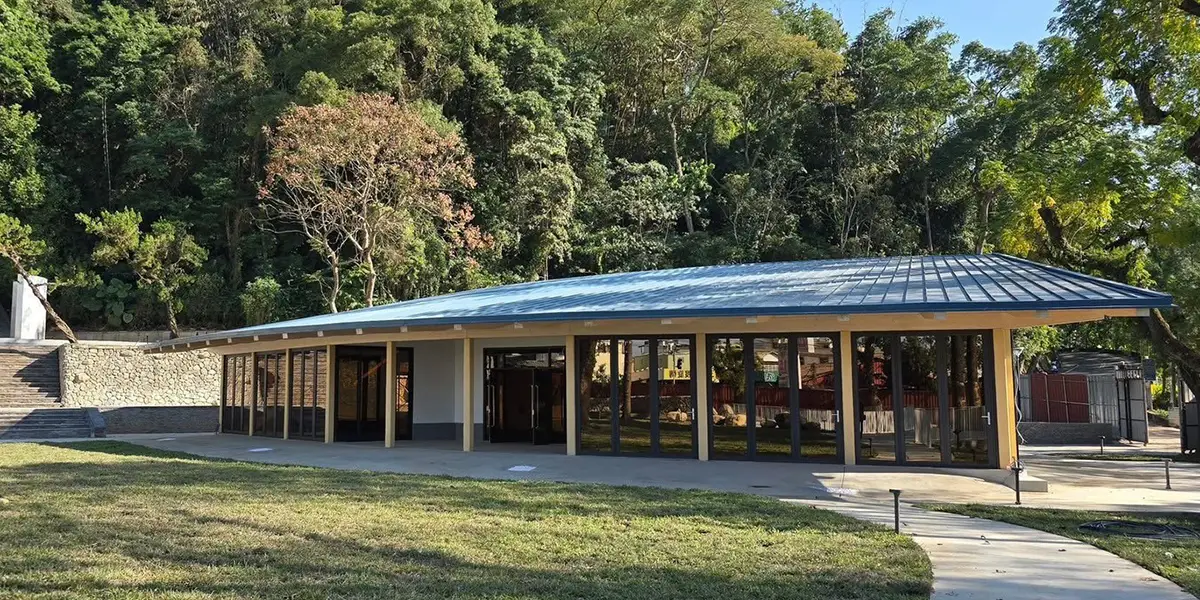
Puli Tourism Service Facilities Construction Project
Alishan National Scenic Area

Alishan National Scenic Area

The Alishan Star Project aims to develop refined, in-depth, and small-group tourism by revitalizing local cultural heritage, natural ecology, and local industries to encourage visitors to enjoy more in-depth mountain-forest travel experiences. The Fenqihu Village Loop Trail Optimization Project was completed, creating a distinctive trail integrating the ecological settings and cultural landscapes and strengthening Alishan’s appeal for in-depth tourism.
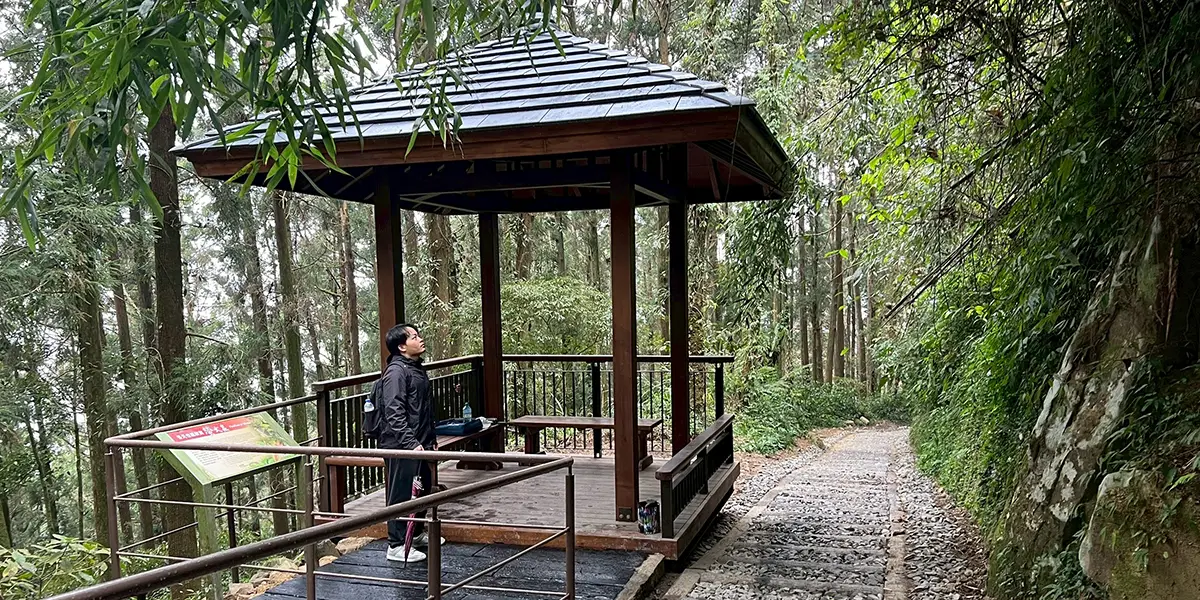
Fenqihu Village Loop Trail Optimization Project
East Coast National Scenic Area

East Coast National Scenic Area

Tasks completed under the Green Island Nanliao Harbor Arrival Service Quality Enhancement Project included construction of multifunctional public restrooms, establishment of waiting and rest areas, and improvement of visitor circulation. The project comprehensively upgraded Nanliao Harbor’s arrival-service facilities, strengthened the "Green Island: Paradise Island" brand identity, and enhanced the visitor service experience.
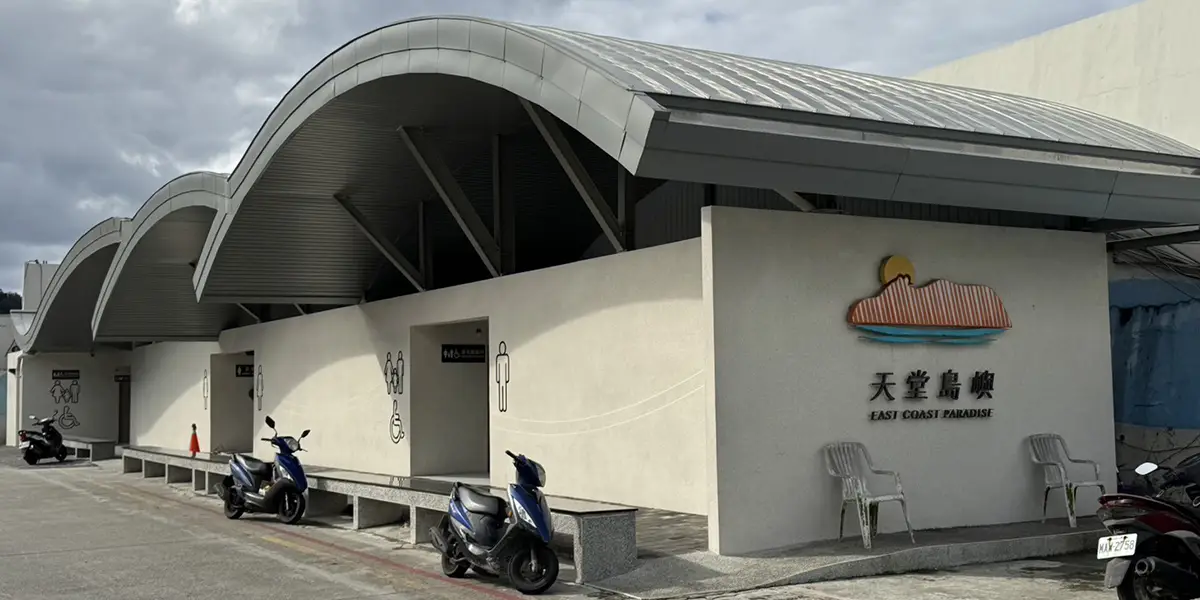
Green Island Nanliao Harbor Arrival Service Facility Upgrade Project
Penghu National Scenic Area

Penghu National Scenic Area

The Zhongtun Bikeway Recreation Service Facility Renovation Project introduces visitor-friendly service facilities and integrated coastal scenery to address the insufficient shade and shortage of leisure space in this area. Cycling-route safety was improved and local characteristics were reinforced. Along with projects to enhance Dongwei, Jibei, and Lintou, the project creates a low-carbon tourism network in Penghu, connects with the development of the North Sea and Wang'an visitor center, creates a setting for sustainable international tourism, and improves Penghu’s tourism competitiveness.
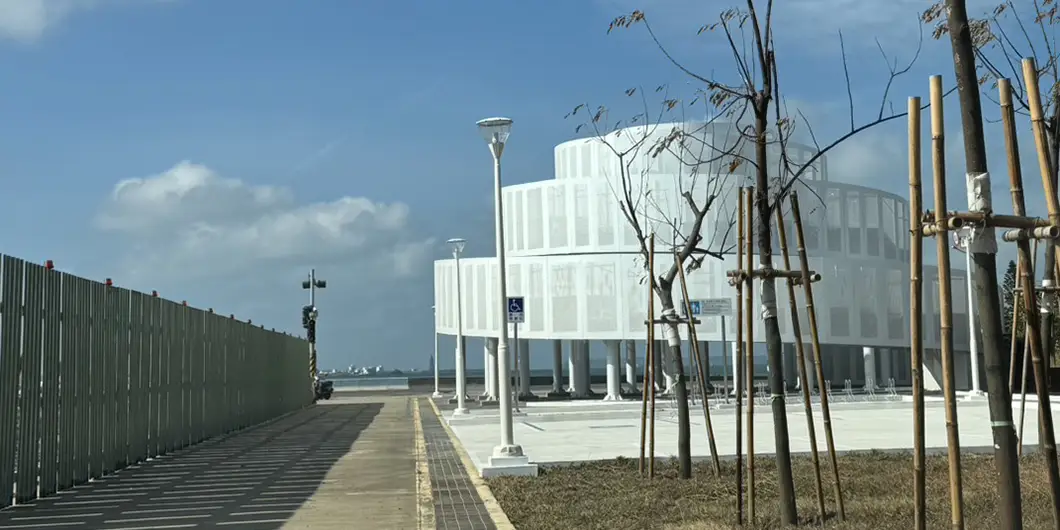
Zhongtun Bikeway Recreation Service Facility Renovation Project

Partnering with the Private Sector to Build a Visitor-Friendly Tourism Environment

The Tourism Administration is committed to integrating public- and private-sector resources to usher Taiwan’s tourism industry toward internationalization and higher quality and accelerate the creation of high-quality, visitor-friendly tourism services and environments with sustainable-development potential throughout Taiwan, with an aim to turn Taiwan into an even more welcoming tourism destination.

Deepening Public-Private Partnerships under the Trillion NT Dollar Investment National Development Plan

Moving beyond the conventional framework for public infrastructure, the Tourism Administration is advancing a variety of private-participation models–including BOT (Build–Operate–Transfer), ROT (Rehabilitate–Operate–Transfer), and OT (Operate–Transfer) to create close, trusting, and long-term partnerships with high-quality private enterprises. This strategy represents not only a change in operating models, but also an important conduit for the public and private sectors to complement each other's strengths. In 2025, the administration signed three public-private participation projects: Operate-transfer Private Participation Project of Longdong S. Ocean Park and Longdong Yacht harbor in Gongliao Dist., New Taipei City, Shanhai Yijia Service Facility OT Project (Mountain Building) in Juguang Township, Lienchiang County, and International Leisure Park BOT Project in Recreation Zone 2 of the Dapeng Bay Special Scenic Area.

Sustainable Quality in Scenic Areas

Building universally accessible environments in national scenic areas:

By 2025, 166 universally accessible tourist attractions and 41 recommended accessible itineraries had been completed.

Assisting 17 tourism businesses in national scenic areas in obtaining the Green Travel Seal (GTS):

Among the 17 businesses, seven obtained Checked status, nine received Silver certification, and one received Gold certification.

Promoting Green Destinations (GD) certification and the Top 100 Stories Awards:

The administration promoted sustainable tourism. Six of its national scenic area (NSA) headquarters obtained Green Destinations certification, and seven NSAs received the 2025 Green Destinations Top 100 Stories Awards. These achievements recognize excellence in a range of sustainable tourism fields, including destination management, nature and landscape, and business and marketing.

ThemeTheme
CategoryCategory
Northeast and Yilan Coast National Scenic Area Headquarters
Co-Creating Mao'ao: Transformative Dialogue Among Stakeholders
Destination Management
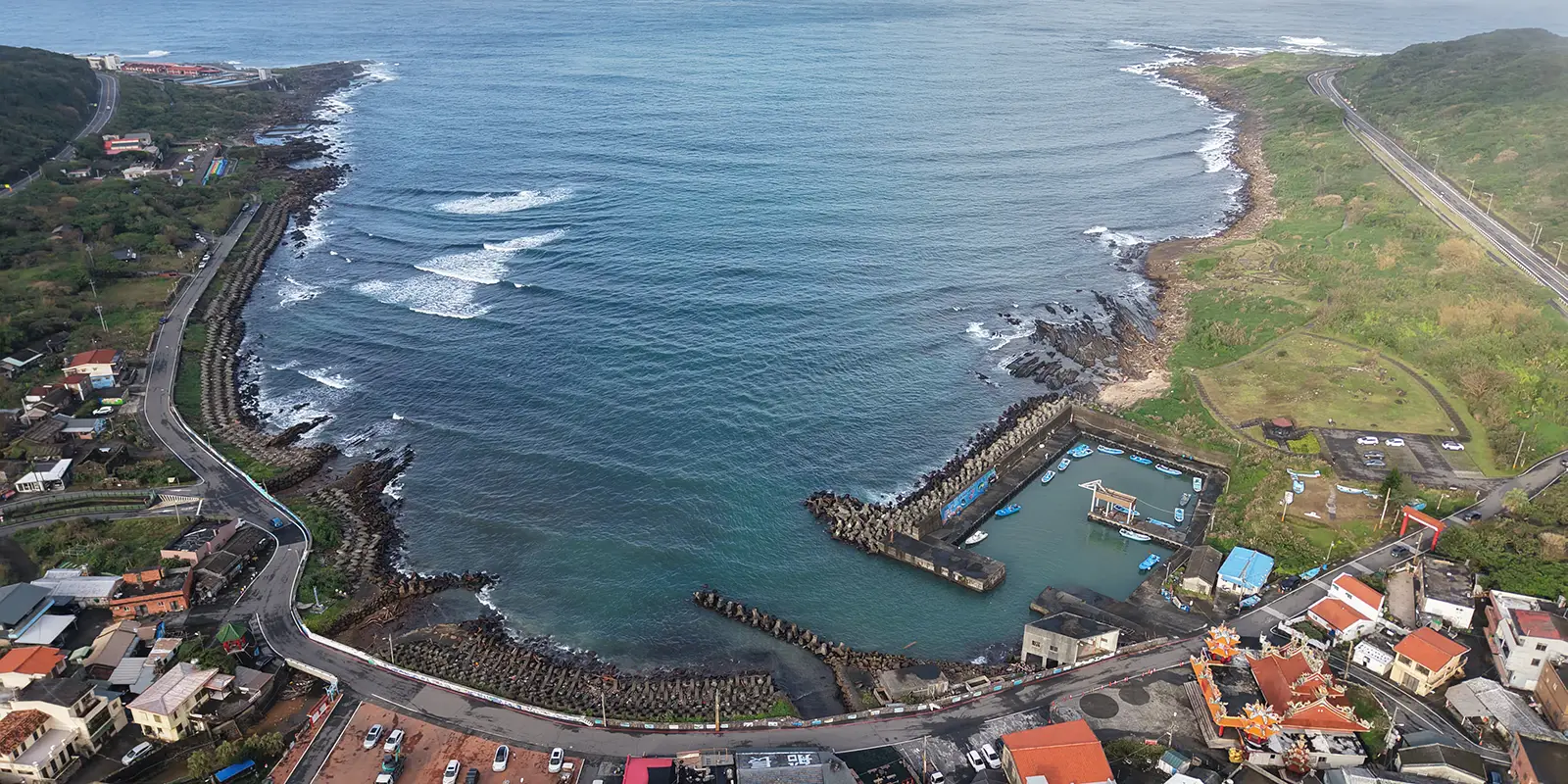
Mao’ao Bay
Mao’ao Bay
Northeast and Yilan Coast National Scenic Area Headquarters
In 2019, the residents of the Mao'ao area united in opposition to government-led regional tourism policies. They formed an association to preserve the landscape of Mao’ao Fishing Village. Cycling activities subsequently brought visitors into the Mao’ao area, and existing facilities in Mao’ao Bay–including public restrooms and parking lots–could no longer accommodate visitor demand. The Northeast and Yilan Coast NSA Headquarters sent staff to participate in activities organized by community volunteer groups and invited stakeholders to discuss local tourism development, build consensus around shared goals, position the community as the principal operator of public-service facilities, and develop a tourism business model reflecting community characteristics.
The administration established a mechanism for community-participatory proposals and, from 2021 to 2024, subsidized portions of the costs for four proposals implemented by local associations. These included upgrading and transforming agar products, supporting a communal-meal program for elderly residents, developing seasonal itineraries, linking bilingual guided tours in Mao’ao and Magang, and designing package tours featuring handicrafts made from ocean debris. From 2022 to 2024, six workshops, briefing sessions, and engineering-design discussion meetings were held, attracting 94 stakeholder participants. A tourism park and parking lot were established in Mao’ao, both operated through outsourcing. As of 2025, the local Mao’ao Bay association had introduced nine regular, fee-based, reservation-only guided-experience activities. These have been incorporated into and sold as travel-agency tour products.
East Coast National Scenic Area Headquarters
From the Forest to the Shore: A Bunun Story of Home And Reconnection
Culture and Tradition
Sustainable Tourism Connected with Culture and the Land
East Coast National Scenic Area Headquarters
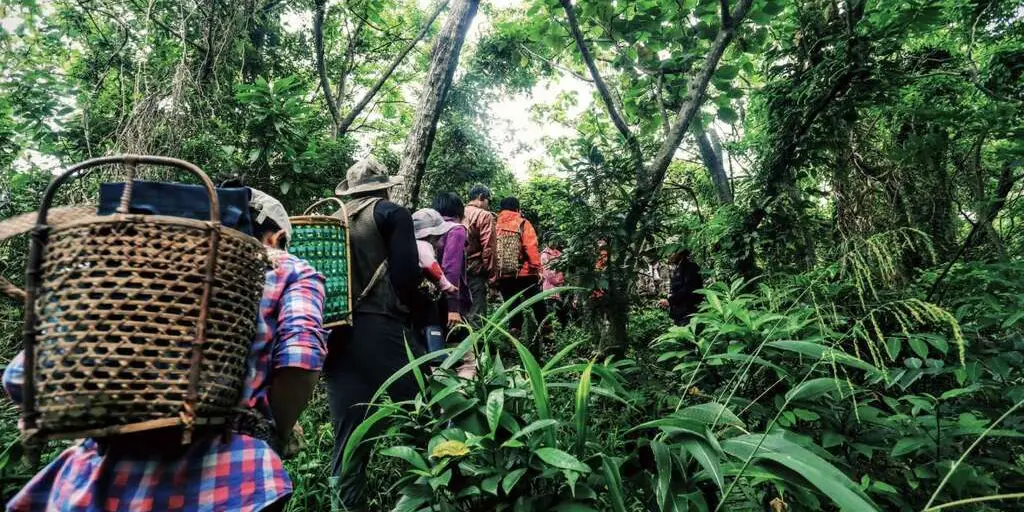
The Silaning-Av Community, located in Hualien, is the only coastal Bunun community in Taiwan. The community describes itself as "those who crossed the mountains to reach the coast." Their community brings together Bunun, Sakizaya, Amis, and Han cultures, giving rise to distinctive cultural forms and survival wisdom. In the face of modernization, economic vulnerability, population aging, and youth outmigration, the community is developing sustainable tourism centered on Bunun culture.
Based at the Gaoshan Forest Tribal Ranch, the community conducted field research and built consensus to identify cultural and ecological assets and establish six sustainable zones as a living blueprint for ways that culture and nature can coexist. The ranch combines Bunun traditional knowledge with modern technology, turning hunting knowledge into educational resources and introducing ecological monitoring and technology-assisted self-guided tours. For example, the immersive "A Forest for One" self-guided ecological itinerary derives from the community’s lived experience and follows the rhythms of the land rather than market trends, demonstrating cultural confidence and connection to the land.
The East Coast NSA Headquarters partners with the community to advance sustainable practices. It has connected over 10 indigenous communities on the east coast through participatory ecological monitoring, youth capacity building, and a cross-tribal cooperation platform. The resulting Travel in Sea-Style Alliance has created the "Sea-Style Adventurer" brand and developed cultural itineraries independently designed and priced by community members. This places Indigenous cultural agency at the center of tourism, supports cultural transmission, ecological well-being, and shared community economic prosperity, and demonstrates sustainable governance deeply rooted in the land.
Penghu National Scenic Area Headquarters
Rebirth of the Coral: Restoring and Protecting Penghu’s Underwater Garden
Nature and Landscape
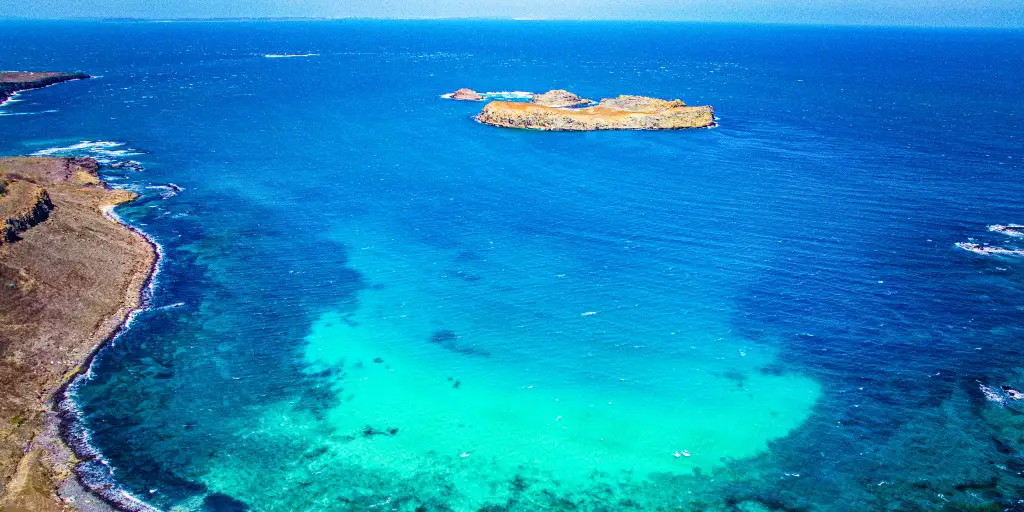
Penghu's Underwater Gardens
Penghu National Scenic Area Headquarters
The Penghu Archipelago comprises 90 islands and islets covering approximately 128 square kilometers. Its surrounding waters are home to rich marine biodiversity, including vibrant coral reefs, green sea turtles, and numerous fish and invertebrate species, attracting many divers and eco-tourists. To create healthy habitats for marine life, enhance the value of the area's tourism offerings, and support sustainable development, local government agencies, academic institutions, and civil society organizations have joined forces to undertake marine ecological restoration and promote responsible travel.
To restore Penghu's underwater gardens, the Penghu National Scenic Area Headquarters established marine ecological tourism zones in Shanshui and Wang’an from 2023 to 2025, deploying a total of 13 ecological reef structures. It also coordinated with local agencies and communities to organize beach cleanups and remove coastal waste, reducing the impact of marine debris on coastal ecosystems. At the same time, through public lectures and outreach to tourism businesses, it promoted ecological conservation concepts and encouraged their incorporation into tourism activities, putting responsible practices into action and advancing the vision of sustainable tourism. The Penghu County Government has also continued its marine ecological restoration efforts. In addition to fisheries controls and a real-name registration system for gillnets, it has undertaken coral habitat restoration since 2016. As of March 2025, approximately 2,800 square meters of coral reef area had been restored.
Coral restoration requires long-term commitment and collaboration among various stakeholders. In addition to cooperating with local governments, the Penghu National Scenic Area Headquarters draws on the combined strengths of industry, academia, and research institutions, encourages businesses to adopt ecological reefs, and works with community residents and local tourism operators on coastal cleanups, coral monitoring, and ecological reef maintenance. These efforts demonstrate the power of public-private collaboration, allowing Penghu’s underwater gardens to continue flourishing as safe habitats for marine life.
Tri-Mountain National Scenic Area Headquarters
Lishan: 2,000 Meters Above, Grounded in Sustainability
Destination Management
Transmission of intangible indigenous culture in the Lishan area
Tri-Mountain National Scenic Area Headquarters
Because the Lishan Scenic Area is about a four-hour drive or more from major urban centers, providing adequate accommodations to encourage longer stays and more local spending is an important challenge for tourism development.. However, the Tri-mountain NSA Headquarters is not the authority responsible for regulating inns, making it difficult for the administration to support indigenous communities in legalizing accommodations. Progress on this front is hindered by the complications of obtaining landowner consent, securing building permits, and the area’s remote location, where few architects are willing to assist.
Over six years, the administration crafted an industry support program tailored to the needs of the region and provided guidance to more than 37 local inns. Only two inns have completed the legal registration process, however the experience has helped refine application procedures and establish a stronger support system. Legal registration also opened doors to government resources, laying the foundation for Lishan: 2,000 Meters Above, Grounded in Sustainability. The first legally registered inn demonstrated the value of this locally rooted approach: its young owner creatively incorporated the community’s millet culture, hunting and gathering traditions, and weaving skills into tourism experiences, while promoting natural and organic farming and incorporating high-quality local fruit and vegetables into meals.. Despite the complications involved, this place-based guidance has provided a meaningful foundation for sustainable tourism in the area, with benefits that are beginning to emerge.
Sun Moon Lake National Scenic Area Headquarters
Protecting Habitats Through Travel: Finding Connection and Unexpected Beauty in Sun Moon Lake
Nature and Landscape
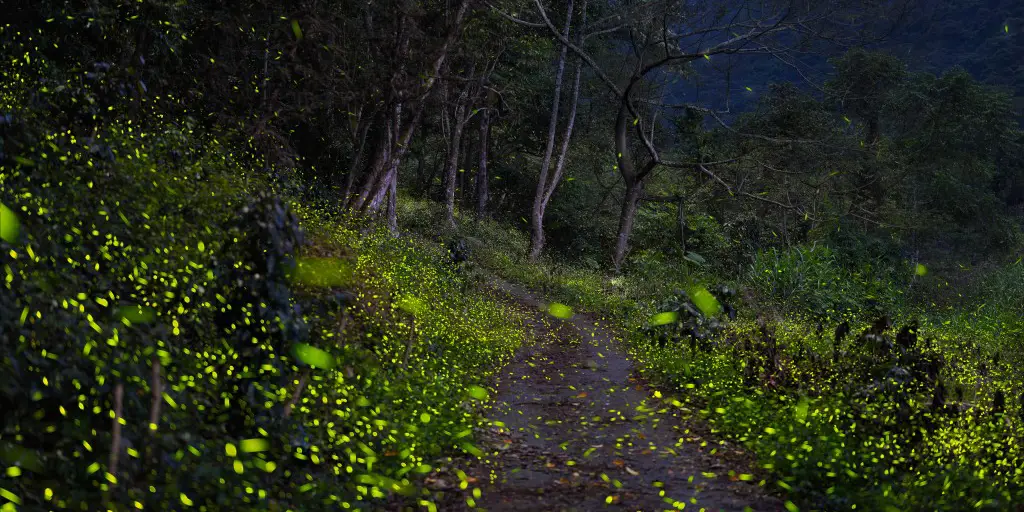
Fireflies
Fireflies
Sun Moon Lake National Scenic Area Headquarters
In 2024, the Sun Moon Lake NSA Headquarters collaborated with local communities, businesses, and civil society organizations to plan and promote low-carbon tourism products. This initiative integrated sustainable development into actual tourism operations, from itinerary design to product sales, while creating new opportunities for local economic transformation. At the same time, we confronted the ecological pressures caused by tourism: habitat disturbance and ecological pressure. We chose not to avoid or disguise these impacts, but to respond with concrete action—adjusting our routes, restoring habitats, limiting access, and strengthening environmental education. Every change became a gesture of respect toward nature.
Surprisingly, nature has responded in kind. Rare species are reappearing, life is returning to water-source areasr, and residents are reigniting their emotional connection to the land. These unexpected outcomes reaffirm our belief: when we treat nature with care, we open the door to deeper bonds between people and place and the beauty we never imagined.
Southwest Coast National Scenic Area Headquarters
From Birds to Livelihoods: A Sustainable Path on Taiwan’s Southwest Coast
Thriving Communities
Wetland Conservation
Southwest Coast National Scenic Area Headquarters
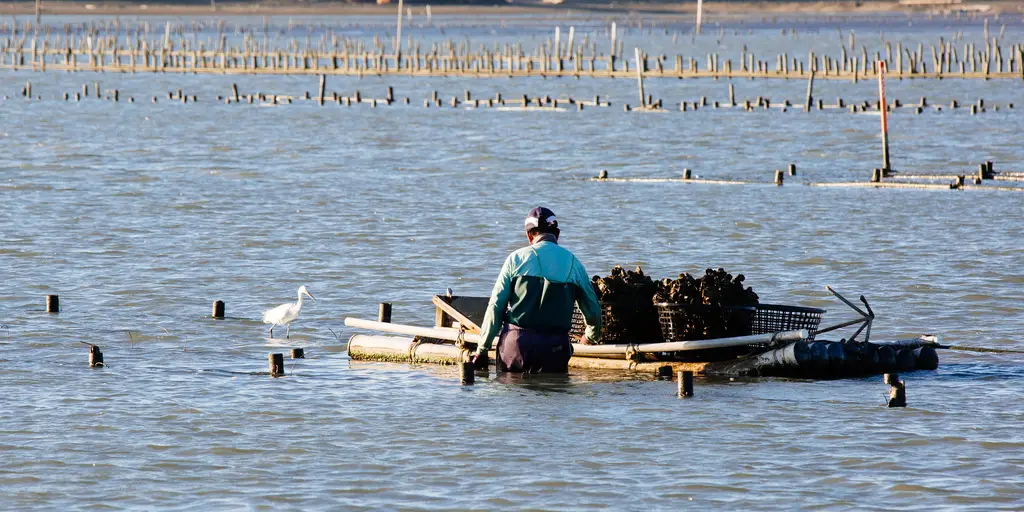
Qigu, located at Taiwan's westernmost point, features a dynamic coastal landscape shaped by sandbars, tidal flows, and wetlands. Most residents sustain their livelihoods by leasing fishponds and engaging in traditional aquaculture, notably cultivating oysters and clams. In the past, due to its low land costs and abundant sunlight, this area was designated by the government as an "ideal site" for industrial and renewable energy development. However, when such development plans threatened the wetland ecosystems and the livelihoods of leaseholding aquaculture farmers, the Qigu community's response evolved beyond mere protest. They proactively proposed locally adapted alternative solutions. Rather than acquiescing to development pressures, they endeavoured to harmonise nature and economy, implementing eco-friendly aquaculture practices, environmental education, and translating wetland conservation into guided tours and tourism value. Through these efforts, they gradually established a sustainable local model. The residents demonstrated how a community can, through its initiative, find a balance between industrial transformation and ecological impact.
Maolin National Scenic Area Headquarters
Freeway Shutdown for Butterflies–Creating a Homecoming Path for the Purple Crow Butterfly
Nature and Landscape
A swarm of overwintering purple crow butterflies
Maolin National Scenic Area Headquarters
The Maolin National Scenic Area spans across Kaohsiung and Pingtung in southern Taiwan and is an important overwintering habitat for the Purple Crow Butterfly, one of only two overwintering butterfly species in the world. Each year around November, hundreds of thousands of Purple Crow Butterflies migrate here to spend the winter. In spring, between March and April, the butterflies begin their northward journey. In the past, during their northward migration, the butterflies were often swept under passing cars by vehicle-induced air currents while crossing the Linnei section of National Freeway No. 3, resulting in mass casualties. In 2007, the roadkill mortality rate reached as high as 30–40‰. In addition, Typhoon Morakot devastated the region in 2009, destroying much of the butterflies’ habitat and placing Purple Crow Butterfly populations at risk.
To protect the butterfly swarms crossing the freeway, the Maolin National Scenic Area Headquarters, the Taiwan Purple Crow Butterfly Conservation Association, and the Freeway Bureau collaborated to establish an ecological corridor, speed-reduction signs, protective nets, and slow zones along the butterflies’ northward migration route, jointly creating a safe homecoming path for the Purple Crow Butterfly. In particular, under the “Freeway Shutdown for Butterflies” measures, sections of Freeway No. 3 are temporarily closed when the monitored butterfly passage rate reaches around 250 butterflies per minute. Traffic is slowed or temporarily halted, allowing the butterflies to make their journey home more safely.
Through these integrated measures, the roadkill mortality rate of Purple Crow Butterflies has been reduced to below 3‰. The population observed in the Maolin area has increased from 170,000 to a record high of 500,000 butterflies. The project has successfully balanced ecological preservation and transportation, while also supporting local development, establishing an innovative model for ecological conservation.

Camping promotion and guidance

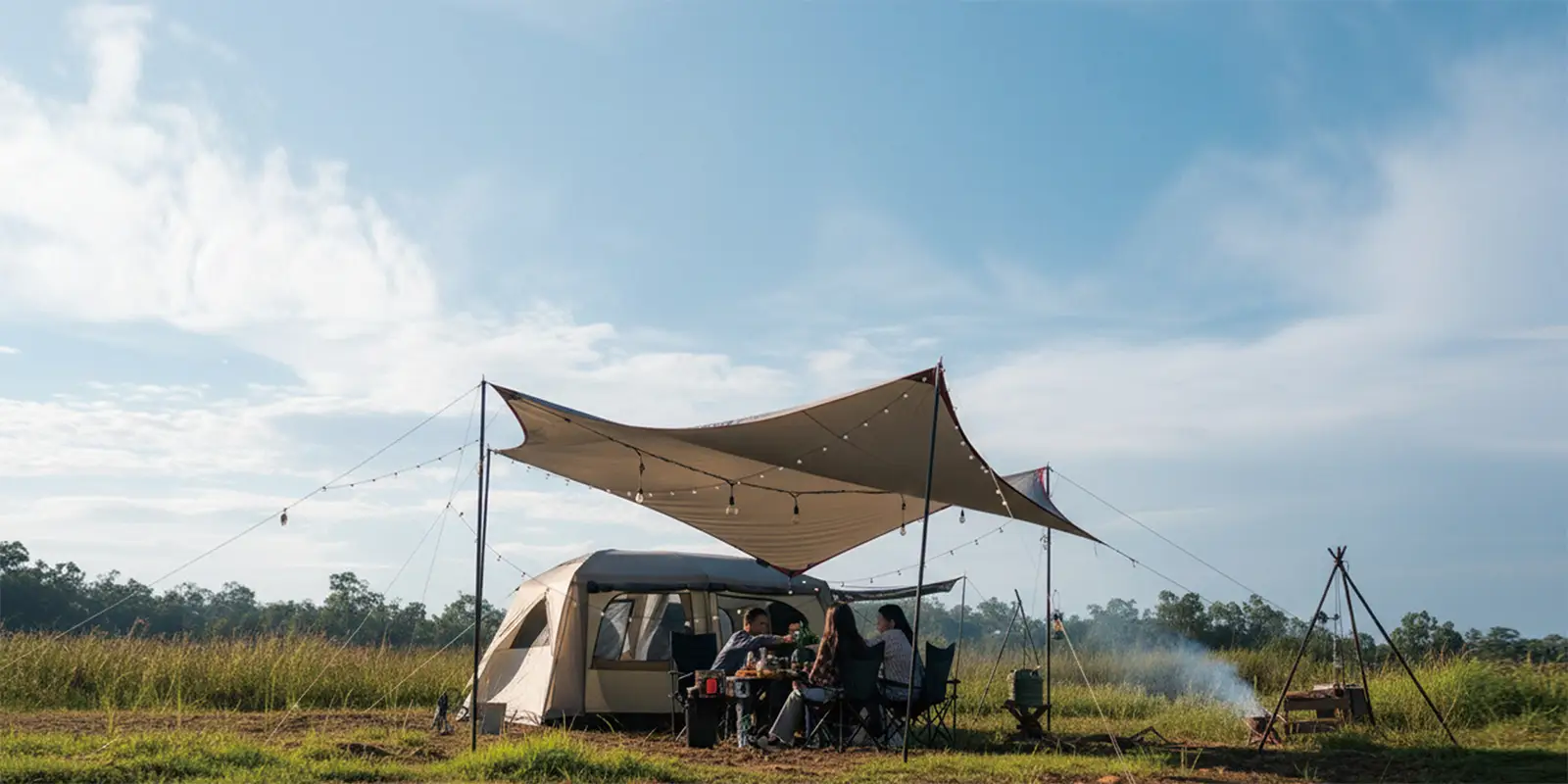
To establish legal pathways for the operation of campsites on agricultural, pastoral, and forestry land, the Tourism Administration has worked in partnership with local governments through the establishment of guidance mechanisms, forum meetings, assistance with campsite application inquiries, and supervision of local implementation, to actively guide eligible applicants through the registration process.

On October 25, 2022, the Central Government Interagency Joint Supervisory Task Force on Camping Management was established, and has held four meetings to date.

Since 2024, the administration has budgeted for subsidies to local governments in providing campsite guidance and performing ongoing inspections. The results of local government work in this area are also evaluated to improve the effectiveness of guidance and inspection work.

The administration coordinated with ministries and agencies to lighten restrictions on campsite establishment. The Non-urban Land Use Control Regulations were amended to relax limits on campsite facility height on agricultural land, while the campsite management guidelines were revised to allow additional access routes and "leave no trace" camping practices. These measures aim to streamline campsite-operator registration applications.

Camping

Coastal cleanup

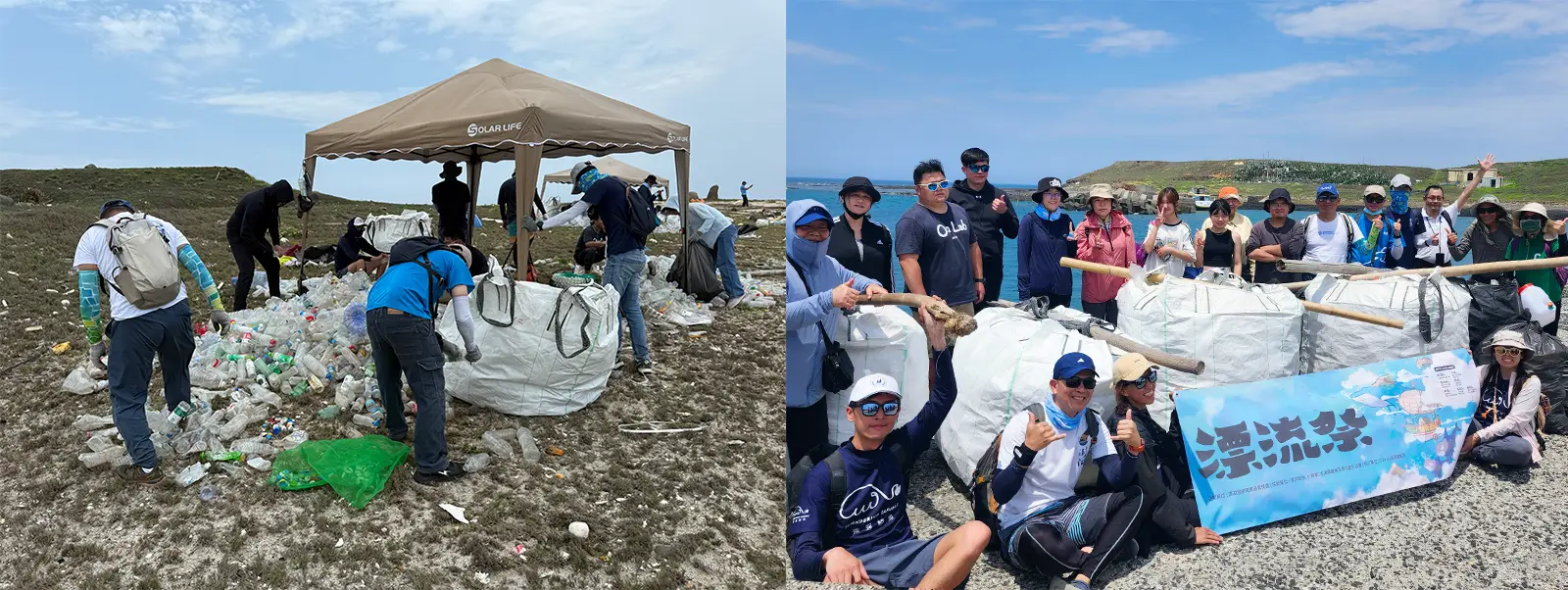
Carried out the Coastal cleanup Plan in collaboration with local governments; established mechanisms for "regular cleaning," "immediate cleaning," and "emergency cleaning." In 2025, a total of 69,429 participants were mobilized to remove 4,218.5 metric tons of debris and clean 12,194.9 kilometers of coastline.

Gupo Island Beach Cleanup and Plastic Reduction